#ad: This post contains affiliate links. As an Amazon Associate I earn from qualifying purchases.
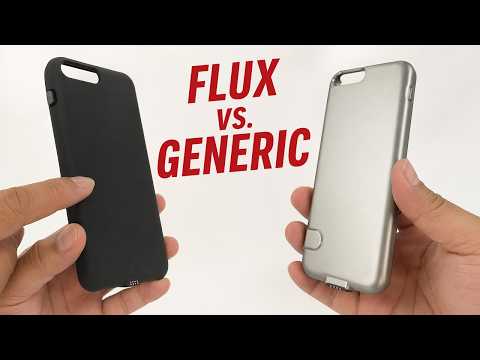
I ordered the Flux thin battery case for my iPhone 7 Plus after seeing an online ad, and this ended up being half review, half rant.
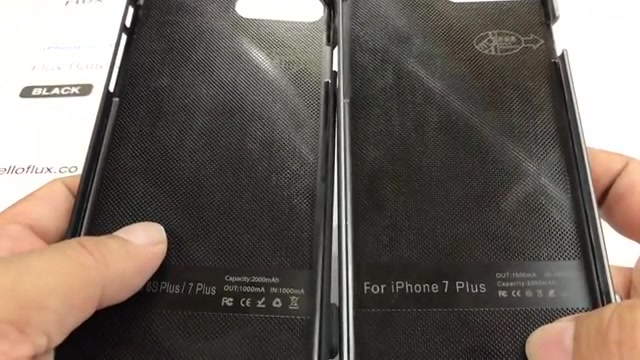
The case itself is fine. The problem was the company and the price. I compared it side by side with a battery case I had already bought on Amazon, and they looked like they came out of the same factory, down to the little graphic. The original listings are gone, so the button below goes to a current battery case for the iPhone 8 Plus and 7 Plus.
- Slim with a nice soft-touch finish
- A couple thousand mAh of backup when you need it
- The Lightning connector tucks away, so the port is free for a regular cable or adapter
- Full cutouts for camera, buttons and speakers
- The volume button cutout is tight and hard to reach quickly
- Flux took about three weeks to arrive and never answered my emails
- Paying $60 for what looked like the same case as a $15 one
▶ Watch the full review on YouTube
Unboxing the Flux case
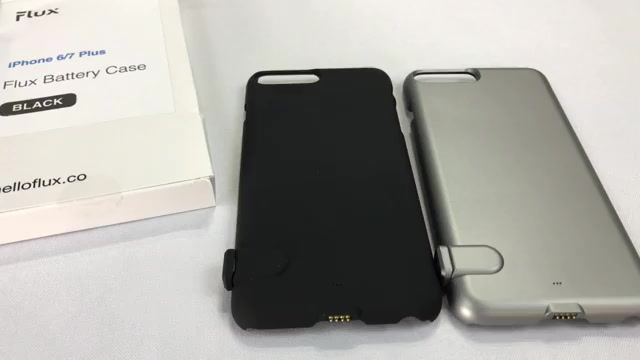
Out of the package it is a nice, slim hard case with a rubberized inner lining and a matte black, soft-touch finish that I really like. There are four little connectors at the bottom, a large camera cutout, full cutouts top and bottom, and openings for the volume rockers, mute switch and power button.
Next to the case I had bought on Amazon earlier, everything was exactly the same.
How the battery case works
You put your phone in the case, flip out the little connector, and plug its Lightning tip into the bottom of the phone. The four contacts connect and the phone starts charging, with small LEDs showing the power status.
When you are done, the connector clicks back into the case. I love that nothing covers your Lightning port when you want to use a regular cable or the headphone adapter.
My one design gripe
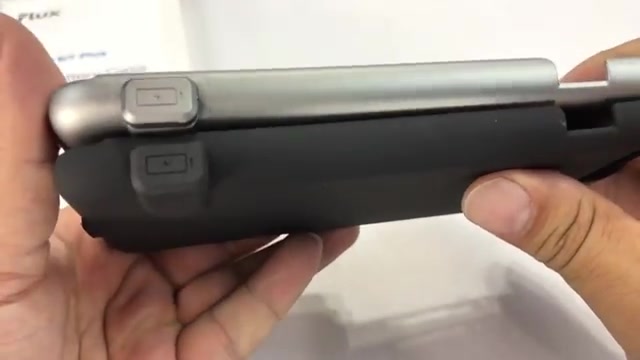
On both cases the cutout for the volume rockers is tight, with a bar of plastic that makes it hard to get a finger in to change volume quickly. I would prefer it without that bar. With a Dremel you might be able to cut it out, but I do not know what that would do structurally.
About the buy link
The cases I compared are no longer listed, so the button goes to a current 6000mAh battery case made for the iPhone 8 Plus, 7 Plus, 6s Plus and 6 Plus. Check the listing to confirm the fit for your phone.
The rant: customer service and price
I ordered the Flux case first. After a week with no shipment I emailed asking to cancel. No response. A week later it still had not shipped, so I emailed again. Nothing. Then I got a ship notice, and it took about four more days to show up in tracking. They never answered a single email. The Amazon case arrived in two days.
I paid my own money for both: $60 at Flux and about $15 on Amazon. The $15 case is a good value, came in more colors, and saves you three weeks and $45. My take: I like the case, I just would not buy it from Flux.
FAQ
Is the Flux case better than cheaper Amazon battery cases?
Not in my experience. The two I compared looked identical, down to the graphic, and worked the same.
How does the case charge the phone?
A pop-out connector plugs into the phone’s Lightning port, and four contacts link the phone to the battery.
Can I still use a Lightning cable with the case on?
Yes. When you tuck the connector back in, the phone’s Lightning port is free.
How long did Flux take to ship?
About three weeks from order to delivery, with no replies to my emails.
Is this an affiliate link?
Yes. The buttons are #ad affiliate links, and as an Amazon Associate I earn from qualifying purchases. It costs you nothing extra.


Leave a Reply