#ad: This post contains affiliate links. As an Amazon Associate I earn from qualifying purchases.
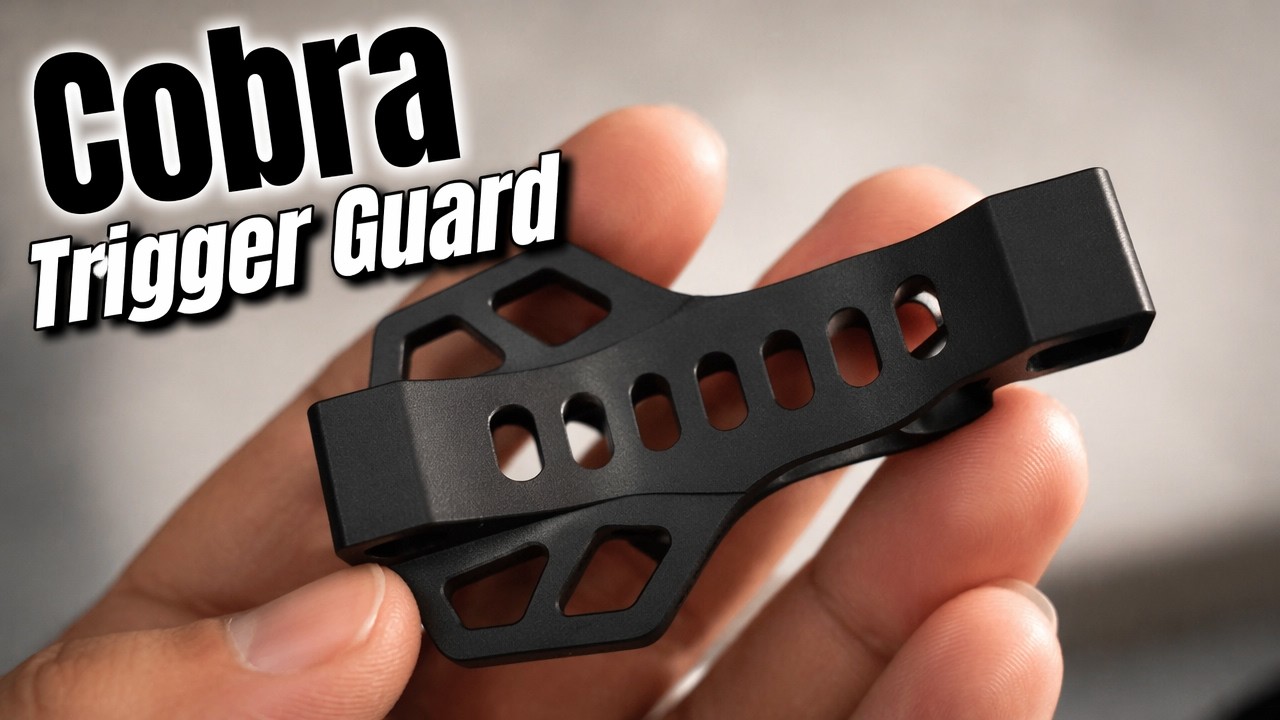
A trigger guard with a built-in finger rest sounds like a tiny upgrade. On my AR-pattern rifles it turned out to be one of the most useful ones.
Strike Industries made its name with polymer trigger guards and charging handles. This one is the Cobra in billet aluminum, and it combines the Cobra finger rest with the Fang magazine guide in one piece. The billet Cobra from my video isn’t listed on Amazon right now, so the button goes to Strike Industries’ Fang Series trigger guard. Here’s how the Cobra fits, how it installs, and how it handled my magazines.
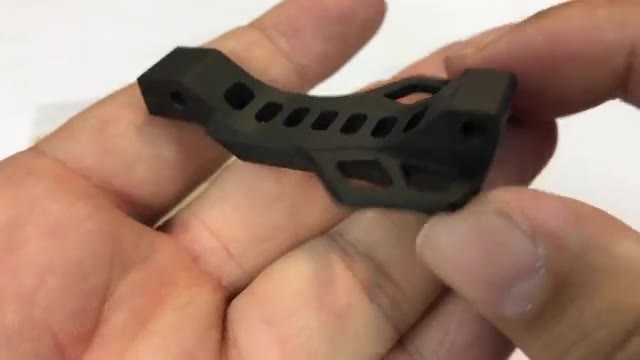
- Natural place to rest your trigger finger, on both sides
- Encourages good trigger discipline
- Billet aluminum should be stronger and more heat resistant than polymer
- Clean machining with smoothed edges
- Very tight fit with no wobble
- Fang guide helps steer mags into the magwell
- Tight screw holes on my lower take some care to avoid cross-threading
- Allen key not included
- Costs more than the polymer version
▶ Watch the full review on YouTube
Why a Cobra-style trigger guard?
When you’re not shooting, your trigger finger naturally wants to go somewhere. Hanging it out in the air or resting it on the trigger guard itself feels a little weird, and sometimes your finger wants to creep in toward the trigger.
The Cobra hood gives your finger a hard point to rest on, right between the receiver and that little ledge. It’s so natural that it trains good trigger discipline without you thinking about it. I have this style of trigger guard on all of my AR-pattern rifles.
Billet aluminum vs. polymer
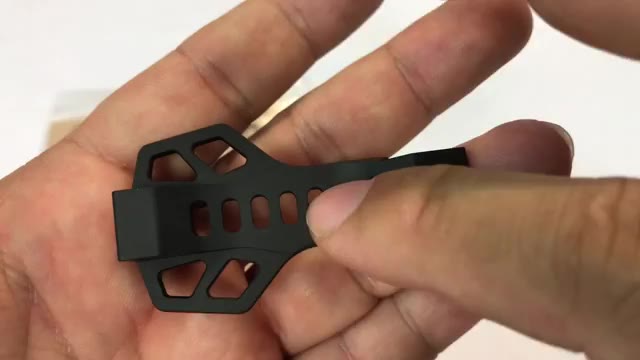
The polymer ones look great and come in a bunch of shapes and sizes, and at around $7 or $8 they’re cheaper and lighter. This billet aluminum version is still really light, and it should be more durable and better able to take punishment.
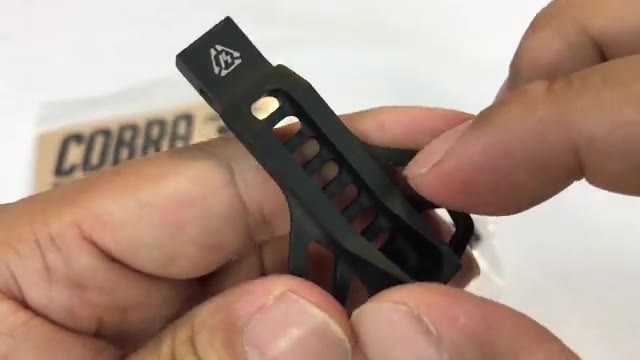
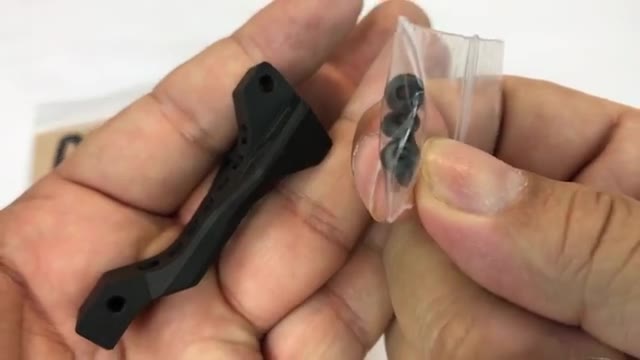
The finish is black anodized with the Strike Industries logo on the back. The machining is deep and clean, the edges are smoothed off, and I didn’t see any milling marks. I think it really does look like a snake. Strike also makes other colors; I’ve seen red.
Installing it on a mil-spec lower
It uses three screws for the three openings on the lower, and they take a very small Allen key that doesn’t come in the box. If your lower already has a screw-in trigger guard, you probably have the right key.
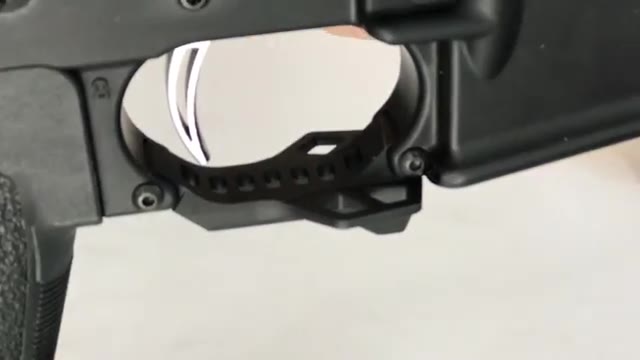
On my standard mil-spec lower it was a tight fit. The holes in the guard seemed spaced a few thousandths of an inch wider than the holes in the receiver. I thought I’d have to drill them out, but I didn’t. The screws end up pressed against the outside of the holes, so take your time and don’t cross-thread or strip anything.
The upside: it’s super tight, with none of the wobble you can get from roll-pin guards, and you might not even need thread locker.
How it looks and feels installed
The black anodized finish is a great match for a standard mil-spec finish. The flare on the magwell flows right into the Cobra hood, so nothing massive sticks out the side. There’s a nice step down below the hood, so you have room even with gloves on.
Testing the Fang mag guide
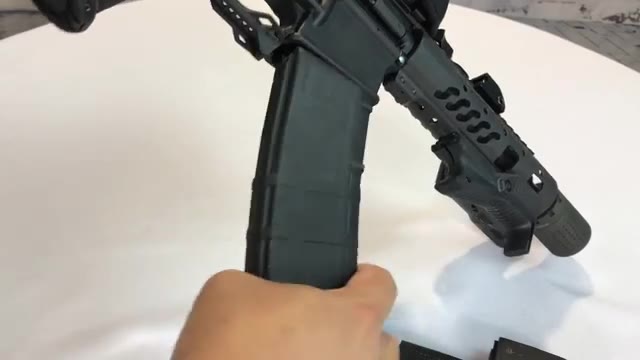
The Fang is the drop-down piece under the guard. It creates a little ramp that helps guide a magazine into the magwell, kind of like an insertion guide. I tried a standard PMAG, a few other brands, and one of my all-time favorites, the Lancer hybrid mags, and none of them had any problems.
Some mags have an extra flange or hard stop lip. Mine are newer-generation mags without that, so if yours have one, check for interference.
FAQ
Does the Cobra trigger guard fit mil-spec lowers?
It should fit mil-spec lowers with the open bottom. On mine it was a tight fit, but it went in without drilling.
Is an Allen key included?
No. It uses a very small Allen key, which you may already have if your lower has screw-in trigger guards.
What is the Fang on a trigger guard?
A drop-down piece under the guard that works as a ramp to guide magazines into the magwell.
Is billet aluminum better than polymer?
It should be stronger and more heat resistant and fit tighter. Polymer is cheaper (about $7 to $8) and a bit lighter.
Do I need thread locker?
On my lower the screws were under so much pressure that you might not, but use your judgment.


Leave a Reply