#ad: This post contains affiliate links. As an Amazon Associate I earn from qualifying purchases.
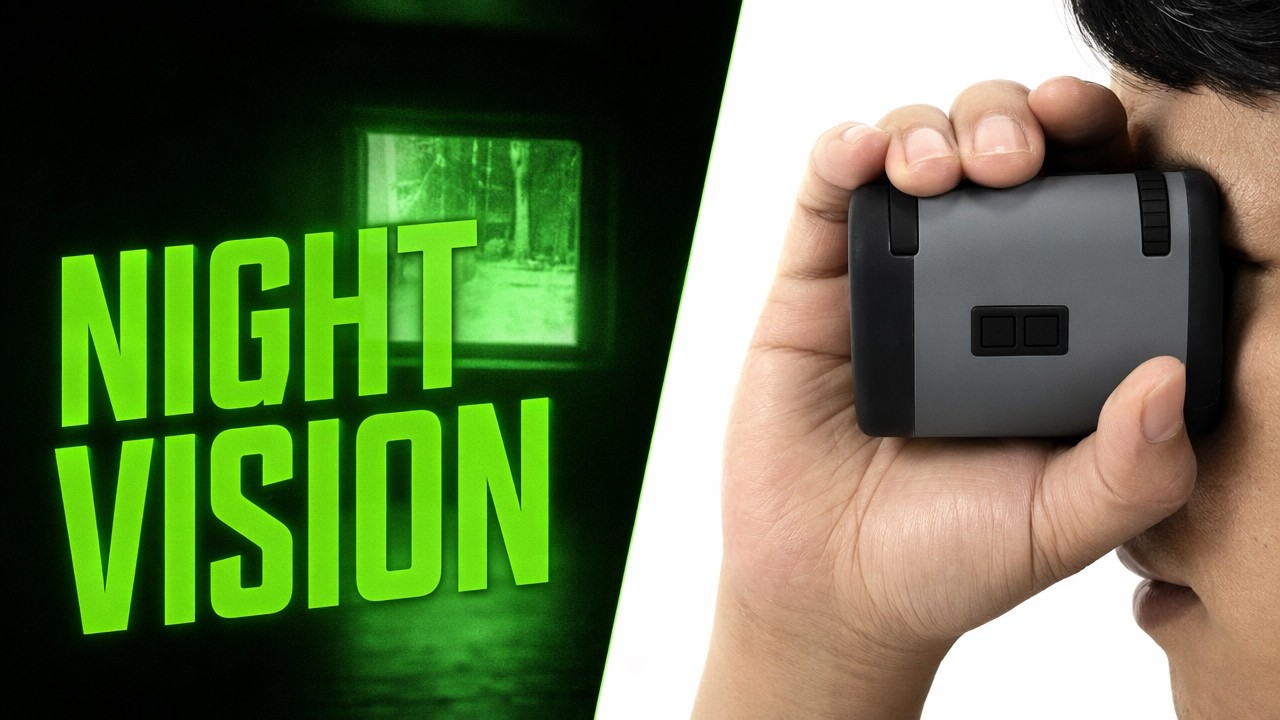
Can a pocket-size digital night vision monocular for around $95 actually show you anything in the dark? I took the Carson MiniAura outside to find out.
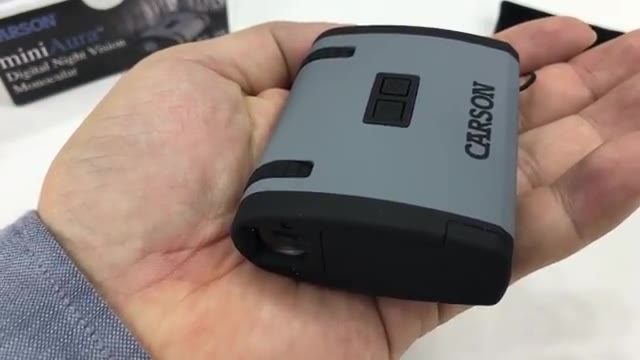
I’d already tried the OPMOD pocket monocular from OpticsPlanet, and I’m pretty sure this Carson MiniAura NV-200 is the same device with a different brand on it. It looks and feels the same. Here are the controls, how far you can really see, and where it makes sense.
- Truly pocket-size and very light
- Simple controls
- IR illuminator helps a lot up close
- Shows more than you’d expect in the dark
- Runs on AAA batteries
- Not much detail at a distance
- Small field of view
- Light bleed around the edge of the image
- Focus ring needs constant fiddling
- Not a substitute for tube-based night vision
▶ Watch the full review on YouTube
Controls and build
It has that soft-touch, velvety finish, even on the gray parts. Click the power button to turn it on and hold it to turn it off. Another button turns on the infrared illuminator, and I’ve found the illuminator makes a huge difference, especially in close quarters.
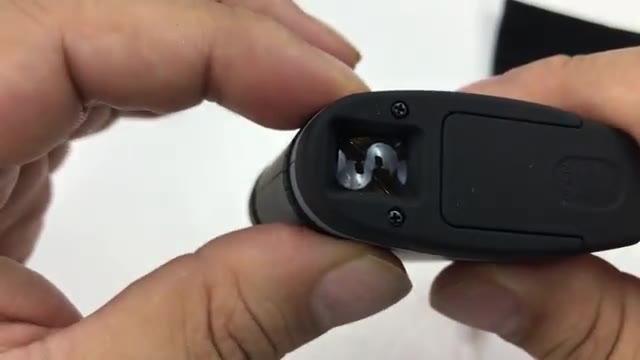
There’s no intensifier tube; it’s completely digital, with a small camera up front. A focus ring sets your focus, and you can see the ring move inside as you turn it. You look through a small glass eyepiece at the screen.
Batteries and carry options
The battery cover opens up and takes three AAA batteries, and it seems to run pretty well on them. There’s a short lanyard loop plus a longer wrist strap that snaps on.
It comes with a soft pouch. The OPMOD came with more of a holster, which I liked a little better, but that’s just preference.
Real-world range test
Carson advertises roughly 80 to 90 feet of range, and the field of view is small (about 19 degrees, I think). This is not military-grade gear, and it won’t let you identify faces or tell friend from foe.
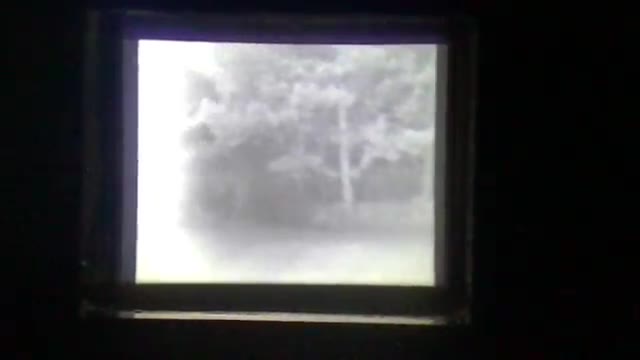
Outside in the dark, I could make out the outline of trees about 40 to 45 yards away, which is pushing past the advertised range. There’s light bleed around the edge of the picture, and you really have to play with the focus. Even then, detail is limited by the small digital screen.
IR illuminator on or off?
I had the illuminator on its lowest setting, then turned it off to compare. Honestly, at that distance I was torn about whether it was better or worse. With a little light in the sky, it looked more like daylight, but I still couldn’t pick out much detail.
My tube-based night vision with an illuminator is far better for scanning property at a distance, and doesn’t have the pixel problems.
Who it’s for
The trade-off is size. It fits in your hand and your pocket and is easy to travel with. It makes sense for navigating inside a house, urban exploring, checking a campsite, or keeping an eye out for something big like a bear, mostly within 30 to 40 yards in pretty dark conditions.
Past that, you won’t see much more than a flashlight would show you. As a fun, compact tool it’s pretty cool, and I’m definitely intrigued by it.
FAQ
Is the Carson MiniAura the same as the OPMOD pocket monocular?
I believe so. It looks and feels exactly the same; I think it’s a rebrand.
What batteries does it use?
Three AAA batteries.
How far can you see with it?
I could make out tree outlines at about 40 to 45 yards, but without much detail. Carson advertises about 80 to 90 feet.
Does it have an IR illuminator?
Yes, and it helps most up close.
Can it identify people at night?
Not at a distance. It’s not detailed enough to recognize faces.


Leave a Reply