#ad: This post contains affiliate links. As an Amazon Associate I earn from qualifying purchases.
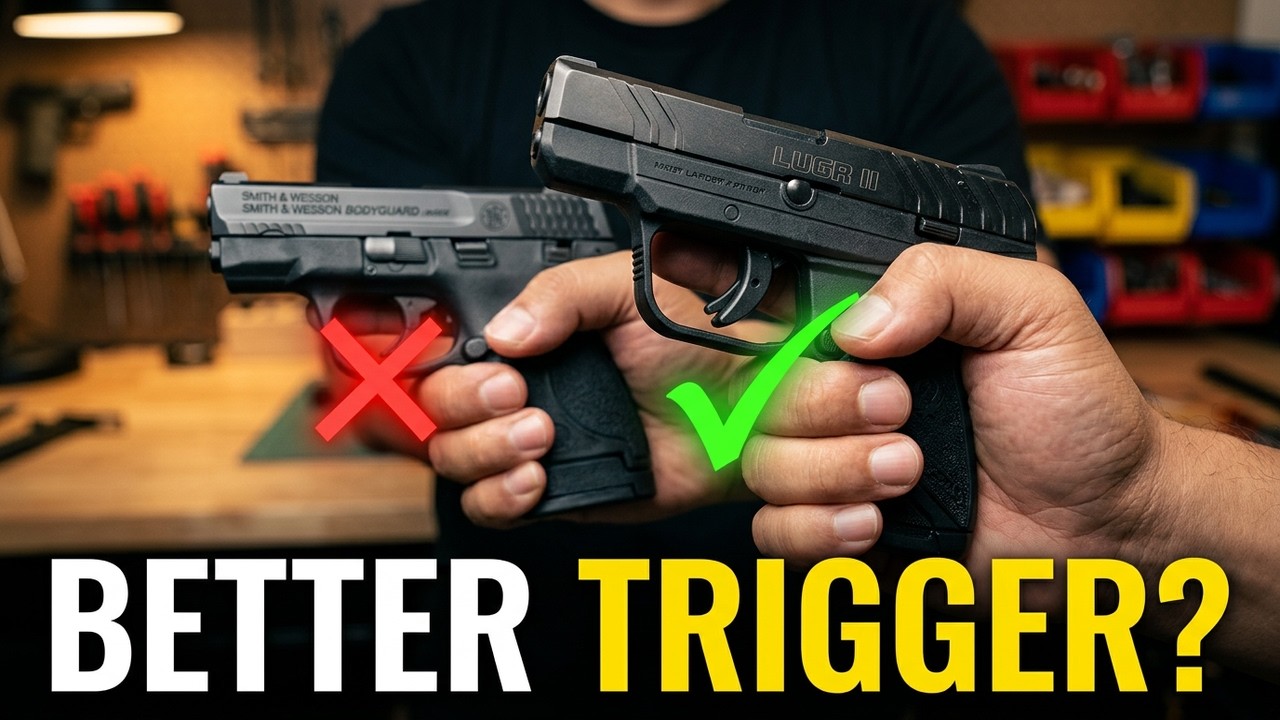
If you carry a pocket .380, the trigger matters more than anything. That’s why I picked up a Ruger LCP II to replace my Smith & Wesson Bodyguard.
Here’s the unboxing, how the two compare in hand, and a trigger pull test on my Wheeler trigger pull scale, the same scale featured below. It’s a cheap way to measure your own triggers.
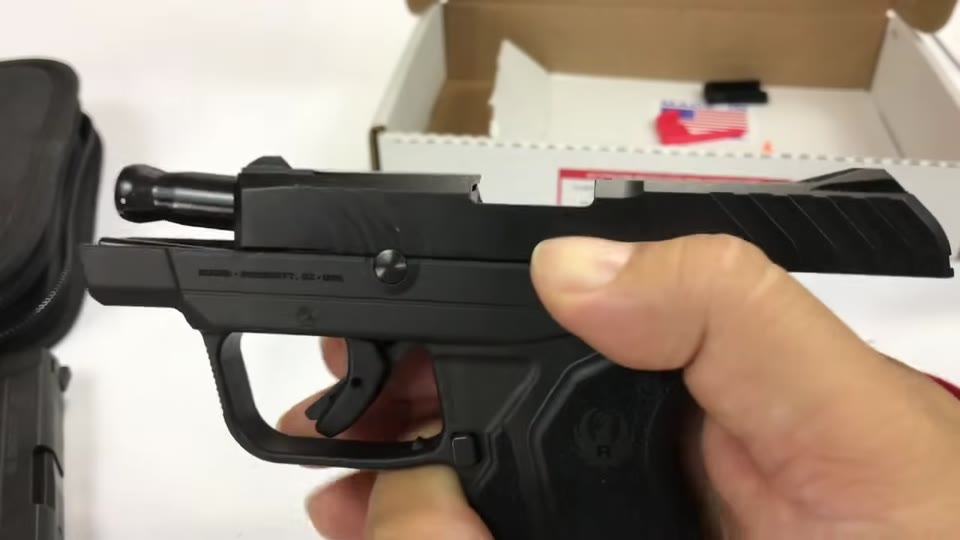
- Much lighter trigger with a clear wall before it breaks
- Slide locks back on an empty magazine
- Straight-line styling and better grip than the original LCP
- Wider sights and a slightly longer slide
- Magazine can hang up on the release when you insert it
- Only one magazine in the box
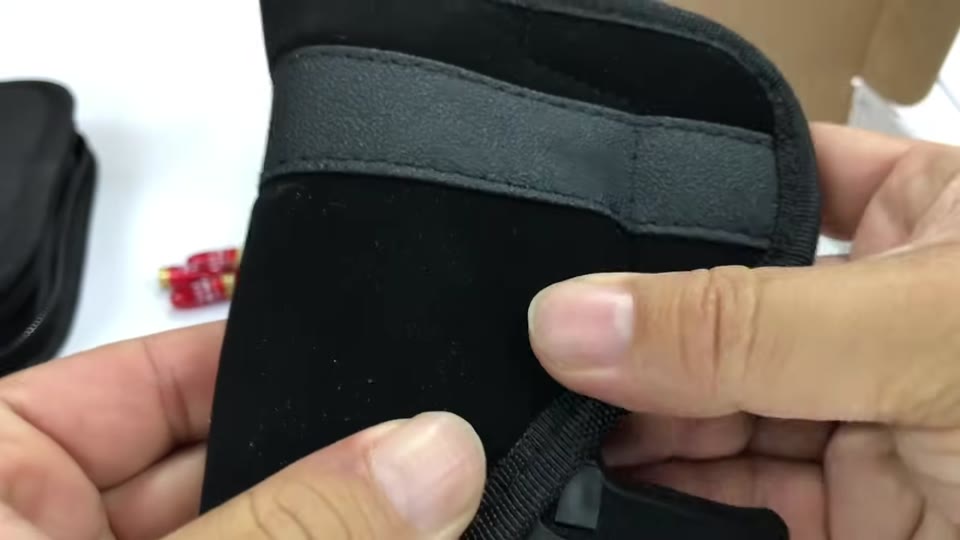
- Fabric pocket holster (I prefer Kydex or leather)
- No manual thumb safety option
▶ Watch the full review on YouTube
Why I replaced my Bodyguard
The Smith & Wesson Bodyguard is a nice pistol, but in my opinion the trigger is the problem. It’s a long double-action pull with no obvious break, so you pull, pull, pull without knowing when it’s going to fire.
At the range, even on targets 10 feet away, it was hard to stay on target through that long pull. I’d heard the LCP II trigger is much better, so I took a shot on it.
What’s in the LCP II box
You get the pistol, the paperwork, a cable lock, an extra base plate, one magazine and a velour-style pocket holster. The holster covers the trigger guard and has stitching to block the muzzle, but I’m always a little leery of fabric for pocket carry.
The magazine has a finger extension like the Bodyguard’s. I did notice it hangs up on the magazine release going in; a little pressure on the release and it slides right in.
Grip, sights and size
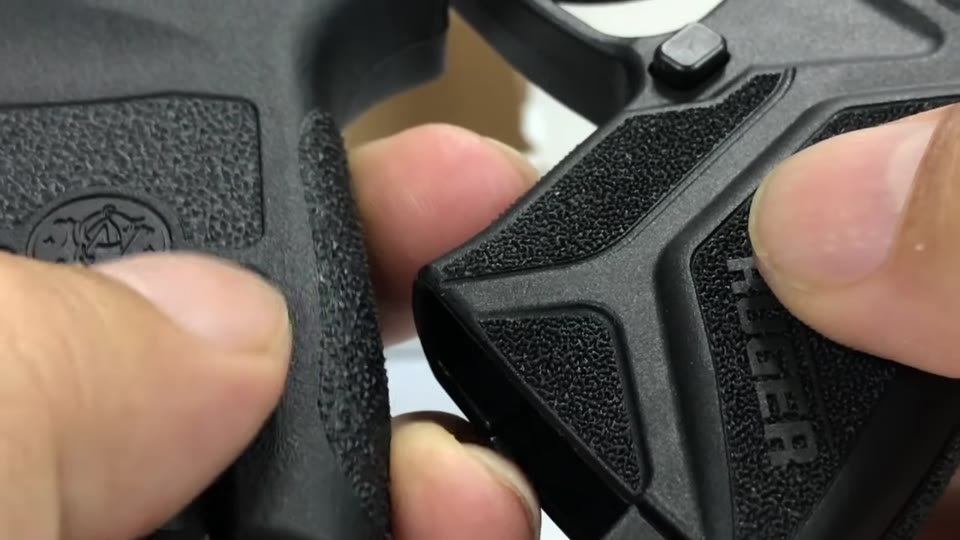
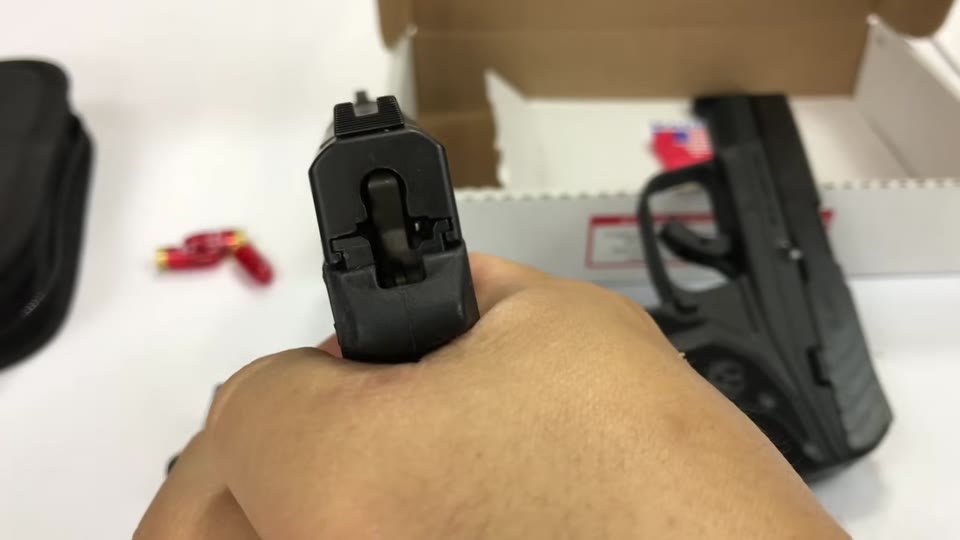
I like the straight lines on the LCP II more than the curves of the original LCP. The grip has a slight hump at the back and a sandpaper-like stippling with little pyramid shapes, and it feels great in the hand.
The sights are plain black on both guns, but they’re physically wider on the LCP II, and the slide looks a smidge longer, which may give a little longer sight radius. The Bodyguard has a brass check window on top; the Ruger has a small peekaboo window.
The trigger: LCP II vs Bodyguard
On the LCP II there’s almost no resistance in the first part of the pull, then you hit a wall. Your finger knows you’re right at the shooting threshold, and then it breaks. Reset is a little long, but once it resets you’re back on pressure.
On my Wheeler scale, which only goes to 8 pounds, the Bodyguard pegged it. I’ve heard it’s around 12 pounds and I believe it. The LCP II measured about 7 pounds on one pull and almost 9 on another. It’s not super light, but the two-stage feel is what I like.
Verdict
Until I get it to the range, it’s all conjecture, but I can already tell this will be a better shooting gun for me and I expect tighter groups than with the Bodyguard.
The slide locking back on empty is a big plus on a gun with limited capacity, too.
FAQ
Is the LCP II trigger lighter than the Bodyguard?
In my test, yes. The LCP II read about 7-9 lb, while the Bodyguard pegged my 8 lb scale.
How many magazines come with the LCP II?
Mine came with one.
Does the LCP II have a manual safety?
No. It has a trigger safety, but no thumb safety.
Will the LCP II fire with the magazine out?
Yes, mine will.
What did you use to measure trigger pull?
A Wheeler spring trigger pull scale that reads up to 8 pounds.


Leave a Reply